Perfect Your Outdoor Skills with Hébertism Training
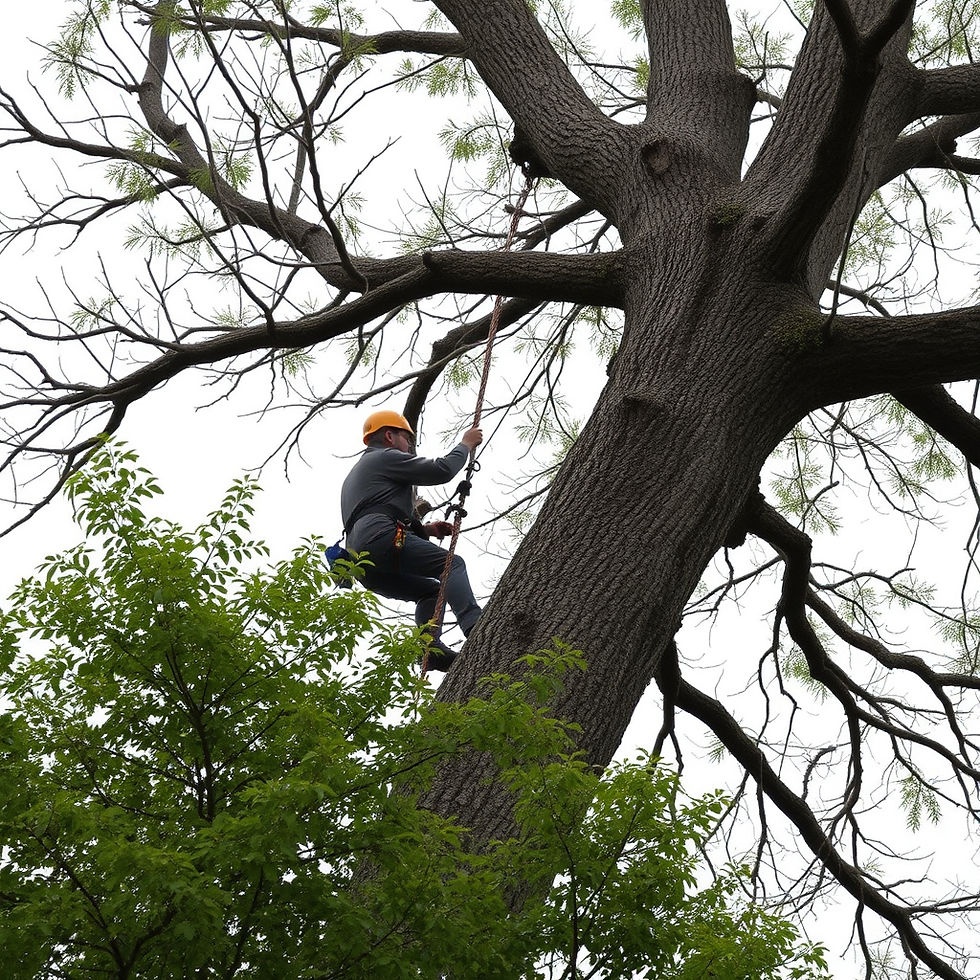
Outdoor skills are not just about survival; they are about connecting with nature, enhancing physical fitness, and developing mental resilience. Whether you are an avid hiker, a weekend camper, or someone looking to improve your outdoor skills, Hébertism training offers a unique approach to mastering these abilities. This blog post will explore the principles of Hébertism, its benefits, and practical ways to incorporate this training into your outdoor adventures.
Understanding Hébertism
Hébertism is a physical training method developed by Georges Hébert, a French naval officer, in the early 20th century. It emphasizes the importance of natural movement and physical fitness through outdoor activities. The core philosophy of Hébertism is that physical training should be functional, promoting overall well-being and adaptability to various environments.
Key Principles of Hébertism
1. Natural Movement: Hébertism focuses on movements that mimic those found in nature, such as running, climbing, jumping, and swimming. This approach encourages participants to engage their bodies in a holistic manner.
2. Adaptability: The training is designed to prepare individuals for real-life situations. Whether navigating a rocky trail or crossing a stream, Hébertism teaches skills that can be applied in various outdoor scenarios.
3. Physical Fitness: Hébertism promotes overall fitness, including strength, endurance, flexibility, and coordination. This comprehensive approach ensures that individuals are well-rounded in their physical capabilities.
4. Mental Resilience: Engaging in outdoor activities fosters mental toughness. Hébertism encourages participants to push their limits, face challenges, and develop a strong mindset.
5. Community and Connection: Hébertism training often takes place in groups, fostering a sense of community and shared experience. This social aspect enhances motivation and enjoyment.
Benefits of Hébertism Training
Incorporating Hébertism training into your outdoor routine can yield numerous benefits:
Improved Physical Fitness
Hébertism training is a full-body workout that enhances cardiovascular health, builds muscle strength, and improves flexibility. Regular practice can lead to significant improvements in overall fitness levels.
Enhanced Outdoor Skills
By focusing on natural movements, participants develop skills that are directly applicable to outdoor activities. This training prepares individuals for hiking, climbing, and other adventures, making them more confident and capable in the wilderness.
Increased Mental Toughness
Outdoor challenges can be daunting, but Hébertism training helps build mental resilience. Participants learn to face obstacles head-on, fostering a mindset that embraces challenges rather than shying away from them.
Connection with Nature
Hébertism emphasizes outdoor training, allowing individuals to connect with nature. This connection can lead to a greater appreciation for the environment and a desire to protect it.
Community Engagement
Training in groups fosters camaraderie and support. Participants motivate each other, share experiences, and build lasting friendships, enhancing the overall experience of outdoor activities.
Getting Started with Hébertism Training
If you are interested in incorporating Hébertism training into your outdoor routine, here are some practical steps to get started:
1. Find a Local Hébertism Group
Look for local outdoor training groups that focus on Hébertism principles. Joining a group can provide guidance, motivation, and a sense of community. Many cities have organizations that offer structured training sessions.
2. Start with Basic Movements
Begin by practicing fundamental movements associated with Hébertism. Focus on exercises such as:
Running: Build endurance through varied terrain.
Climbing: Practice ascending natural obstacles like rocks or trees.
Jumping: Work on agility and coordination with various jumps.
Swimming: If accessible, incorporate swimming for overall fitness.
3. Set Goals
Establish clear, achievable goals for your training. Whether it's completing a challenging hike or mastering a specific skill, having goals will keep you motivated and focused.
4. Incorporate Nature
Whenever possible, take your training outdoors. Parks, forests, and natural landscapes provide the perfect backdrop for practicing Hébertism principles. Embrace the environment and use it to enhance your training.
5. Track Your Progress
Keep a journal or use a fitness app to track your progress. Documenting your achievements will help you stay motivated and see how far you have come.
Practical Exercises for Hébertism Training
To give you a head start, here are some practical exercises that embody the principles of Hébertism:
Running on Varied Terrain
Find a local trail or park with different surfaces. Alternate between running on grass, dirt, and rocky paths. This variation will improve your adaptability and strengthen different muscle groups.
Obstacle Course Training
Create a mini obstacle course using natural elements. Incorporate climbing over logs, jumping across small streams, and crawling under branches. This exercise mimics real-life challenges you may encounter outdoors.
Group Challenges
Organize group challenges with friends or fellow trainees. Set up a series of tasks, such as timed races, climbing competitions, or team-based activities. This fosters teamwork and adds an element of fun to your training.
Nature Walks with Purpose
Instead of a leisurely stroll, turn your nature walks into training sessions. Incorporate exercises like squats, lunges, or balance drills at various points along the trail. This keeps your body engaged and enhances your fitness.
Mindfulness in Nature
Take time during your outdoor activities to practice mindfulness. Focus on your surroundings, breathe deeply, and appreciate the beauty of nature. This practice enhances mental resilience and fosters a deeper connection with the environment.
Overcoming Challenges in Hébertism Training
While Hébertism training offers numerous benefits, you may encounter challenges along the way. Here are some common obstacles and how to overcome them:
Lack of Motivation
Staying motivated can be tough, especially when training outdoors. To combat this, set specific goals, find a training partner, or join a group. Having a support system can make a significant difference.
Weather Conditions
Outdoor training is subject to weather conditions. Be prepared by dressing appropriately and adjusting your training schedule as needed. Embrace the elements; training in different weather can enhance your adaptability.
Physical Limitations
If you have physical limitations or injuries, consult with a healthcare professional before starting any new training regimen. Modify exercises to suit your abilities and gradually build strength and endurance.
Time Constraints
Finding time for outdoor training can be challenging in a busy schedule. Consider incorporating short, high-intensity workouts into your routine. Even 20-30 minutes of focused training can yield significant benefits.
Conclusion
Perfecting your outdoor skills through Hébertism training is a rewarding journey that enhances physical fitness, mental resilience, and connection with nature. By embracing the principles of natural movement and adaptability, you can become more confident and capable in outdoor settings. Start small, set achievable goals, and engage with your community to make the most of your training experience.
Now, it's time to step outside, embrace the elements, and begin your journey toward mastering your outdoor skills with Hébertism training. Whether you are climbing a hill or navigating a forest trail, remember that every step you take brings you closer to becoming the outdoor enthusiast you aspire to be.
Commentaires