Food intake for hiking adventures
1. Energy-packed snack ideas
For long-distance hiking, the golden rule is caloric density (maximum calories for minimum weight). You need a good balance of carbohydrates (quick energy) and fats/proteins (sustained energy).
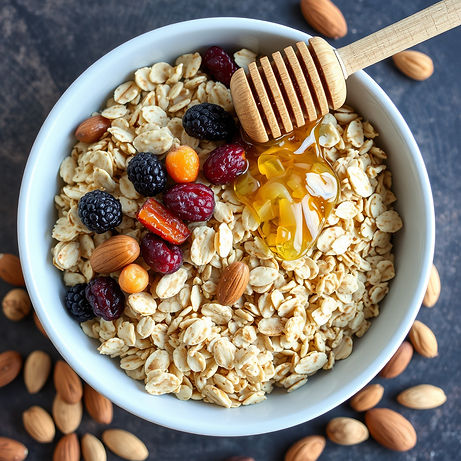
• Custom trail mix: A blend of almonds, cashews, pumpkin seeds, dark chocolate chips, and dried fruit (cranberries, mangoes).
• Nut butter packets: Single-serve peanut or almond butter packs are highly calorie-dense and easy to consume on the go.
• Homemade energy bars: Made with blended dates, rolled oats, honey, and chia seeds. They prevent sugar spikes followed by energy crashes.
• Jerky (beef or turkey): Excellent for protein and sodium intake, which helps prevent cramps.
2. Dehydrating food
Dehydrating your own meals is the secret seasoned hikers use to enjoy hot, healthy, and lightweight food.
Why do it?
• Weight savings: Water accounts for up to 80–90% of the weight of certain foods.
• Shelf life: Dried foods can be stored for months at room temperature without spoiling.
How to do it?
1. Fruits and vegetables: Slice them thinly and evenly. Bananas, apples, mushrooms, and zucchini dehydrate beautifully.
2. Complete meals (chili, pasta sauces): Cook your dish as usual, but minimize fats as much as possible (oil and fat go rancid quickly, even when dehydrated). Spread the mixture onto the dehydrator trays.
3. Meat: Cooked, extra-lean ground meat (rinsed with hot water to remove fat) rehydrates very well—unlike whole cuts of meat, which turn tough and leathery.
💡 Rehydration tip: At camp, add boiling water to your meal in an insulated container (or a freezer-safe bag) and let it sit for 15 to 20 minutes before eating.
3. Water purification systems
Drinking untreated water in the wild exposes you to bacteria (E. coli), protozoa (Giardia, Cryptosporidium), or viruses. Here are the three main categories of solutions:
A. Micro-fiber filters (Physical)
This is the most popular choice (e.g., Sawyer Squeeze, Katadyn BeFree). Water is pushed or sucked through microscopic barriers that block sediment and bacteria.
• Pros: Instant, no chemical taste, cost-effective in the long run.
• Cons: Generally does not protect against viruses (rarely an issue in North America, but something to watch out for elsewhere) and can freeze or break in winter.
B. Chemical purifiers (Tablets)
Uses chlorine dioxide or iodine (e.g., Aquatabs).
• Pros: Ultralight (weighs just a few grams in your emergency kit), kills EVERYTHING (including viruses).
• Cons: Long wait times (30 min to 4 hours for Cryptosporidium), sometimes leaves a slight "pool water" taste.
C. UV purifiers
An ultraviolet light beam (e.g., SteriPEN) destroys the DNA of microorganisms in seconds.
• Pros: Very fast, effective against viruses, no aftertaste.
• Cons: Relies on batteries and does not remove silt or sediment (the water must be clear for the UV light to penetrate).

Commentaires